
Keeping children safe is the first test of everything we do. This page explains, in plain language, what that means in practice.
Our Protection and Empowerment Policy
Our organisational policy commits us to the protection and empowerment of every child, youth and vulnerable person we serve - building safe, inclusive spaces that support their physical, emotional, social and cognitive wellbeing. Its key elements:
- Child protection - preventing, identifying and responding to abuse, neglect, exploitation and harmful practices
- Inclusive participation - every child and community member has a voice in decisions that affect them
- Psychosocial support - counselling, mentorship and emotional support that promote healing and growth
- Capacity building - education, life skills and vocational opportunities that build independence
- Community engagement - working with families, leaders, schools and institutions to strengthen protection
- Monitoring and accountability - tracking programmes, responding to risks and meeting recognised child protection standards
Our commitments
- Every activity that involves children is run by people who understand child protection.
- Volunteers who work with children are vetted and trained before placement.
- We treat every concern about a child's safety as urgent.
- What a child or family tells us stays confidential - shared only with the services needed to help.
- We never treat a child differently because of their health, background or family situation.
Photos and stories
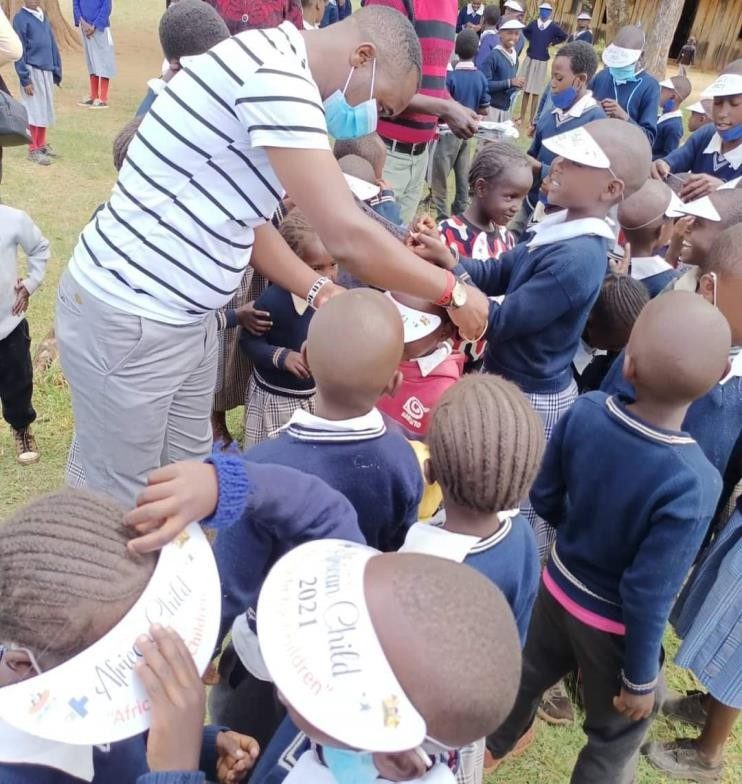
We never publish a child's full name, school, home area or photo without consent from a guardian or institution, reviewed against our safeguarding policy. Where we show our work, we prefer wide shots, hands and backs over faces - dignity matters more than a good photo.
Code of conduct
All staff and volunteers sign a code of conduct covering how to behave around children, how to handle information, and what to do when something is wrong. Breaches are investigated and reported to authorities where required.
Report a concern
If you are worried about a child - in our programmes or anywhere else:
- Call us on +254 740 210 808
- Call the national child helpline 116
- If a child is in immediate danger, call 999 or 112, or go to the nearest police station or hospital