Education & vocational support
Helping children and youth access quality education, complete curricula and gain practical skills.
Nine areas of work that all serve one goal: a caring and empowered society.
Whatever the programme, these are the services we provide to children, youth and families.
Helping children and youth access quality education, complete curricula and gain practical skills.
Training, mentorship and opportunities to develop income-generating skills and financial stability.
Emotional and social support to cope with trauma, grief and difficult life circumstances.
Access to nutritious food, basic healthcare and medical interventions that improve wellbeing.
Building confidence, decision-making, leadership and positive life choices.
Reconnecting children with safe, supportive family members for stability and long-term care.
Protecting children from abuse, neglect and harmful practices, and helping children at risk reach safety and family-based care.
Children in our communities can face abuse, neglect, harmful practices and life on the streets. Orphanhood, poverty, family breakdown and disability can push a child out of a safe home - and families under pressure sometimes cannot keep children safe on their own.
Reaching children living and working on the streets, and walking with them back to family, school and safety.
Children end up on the streets through abandonment, orphanhood, mistreatment at home, domestic violence, negative peer pressure, substance abuse, family separation and deep poverty. On the street a child is inadequately protected, supervised or guided - and every day there makes the way back harder.
Helping learners stay in school and finish - from primary school under CBC through junior secondary to college and careers.
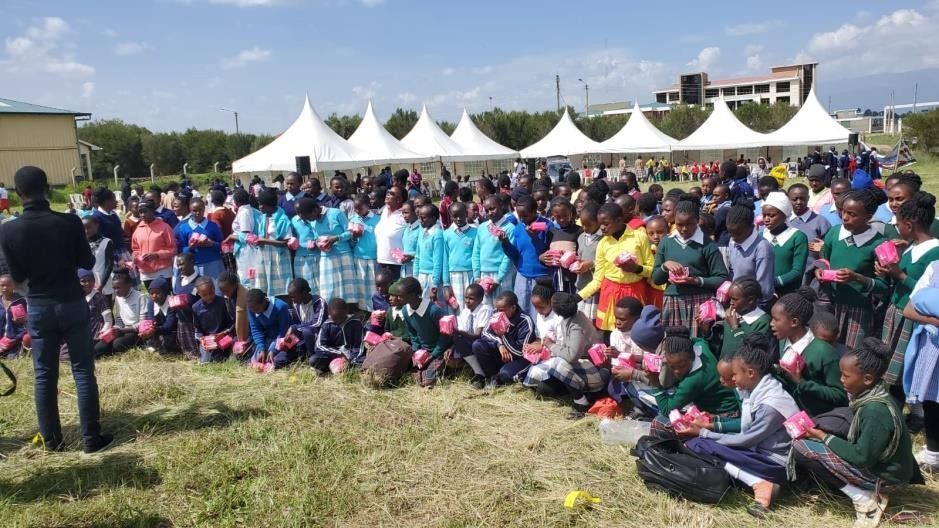
School fees, lack of uniforms, supplies and sanitary towels push learners - especially girls - out of class and out of school. Many young people never transition beyond primary education because of cost, not ability.
Vocational skills, mentorship, life skills and entrepreneurship support for young people aged 15 to 35.
Many young people finish school without work, skills or support - economic hardship and high living costs block the transition beyond primary education. Some have already been through the worst forms of child labour.
Helping women and girls overcome gender stereotyping, build economic strength and claim their safety, dignity and rights.
Women and girls carry the heaviest load of poverty and harmful cultural practices - from gender-based violence and FGM to limited income and a limited say. When women thrive, families and communities thrive with them.
Awareness on HIV and AIDS, mental health, sanitation and general health - and linking people to the services they need.
Stigma and poor information keep people from testing, treatment and care. The Triple Threat - new HIV infections, gender-based violence and adolescent pregnancies - hits young people hardest, and many do not know where to turn.
Prevention through awareness, life skills, mentorship and positive alternatives for young people.
Alcohol, bhang, tobacco and miraa (khat) are the substances most abused around us. Peer pressure, stress, family influence, curiosity and easy availability pull young people in - and addiction follows: cravings, needing more, withdrawal and loss of control. Recovery services are thin on the ground.
Tree nurseries and planting, climate education in schools, clean-ups and eco-friendly projects across Laikipia and Nakuru.
Deforestation, poor waste handling and a changing climate - unpredictable rainfall, droughts and floods - are wearing down the land our communities depend on.
Community dialogues, capacity building for volunteers and local leaders, civic education, and research that starts from what communities say.
Lasting change needs organised communities - trained local volunteers, real dialogue and decisions based on evidence, not assumptions.
Volunteer, partner or give - and tell us which programme you care about most.